What are the Most Common Automobile Insurance Claims?
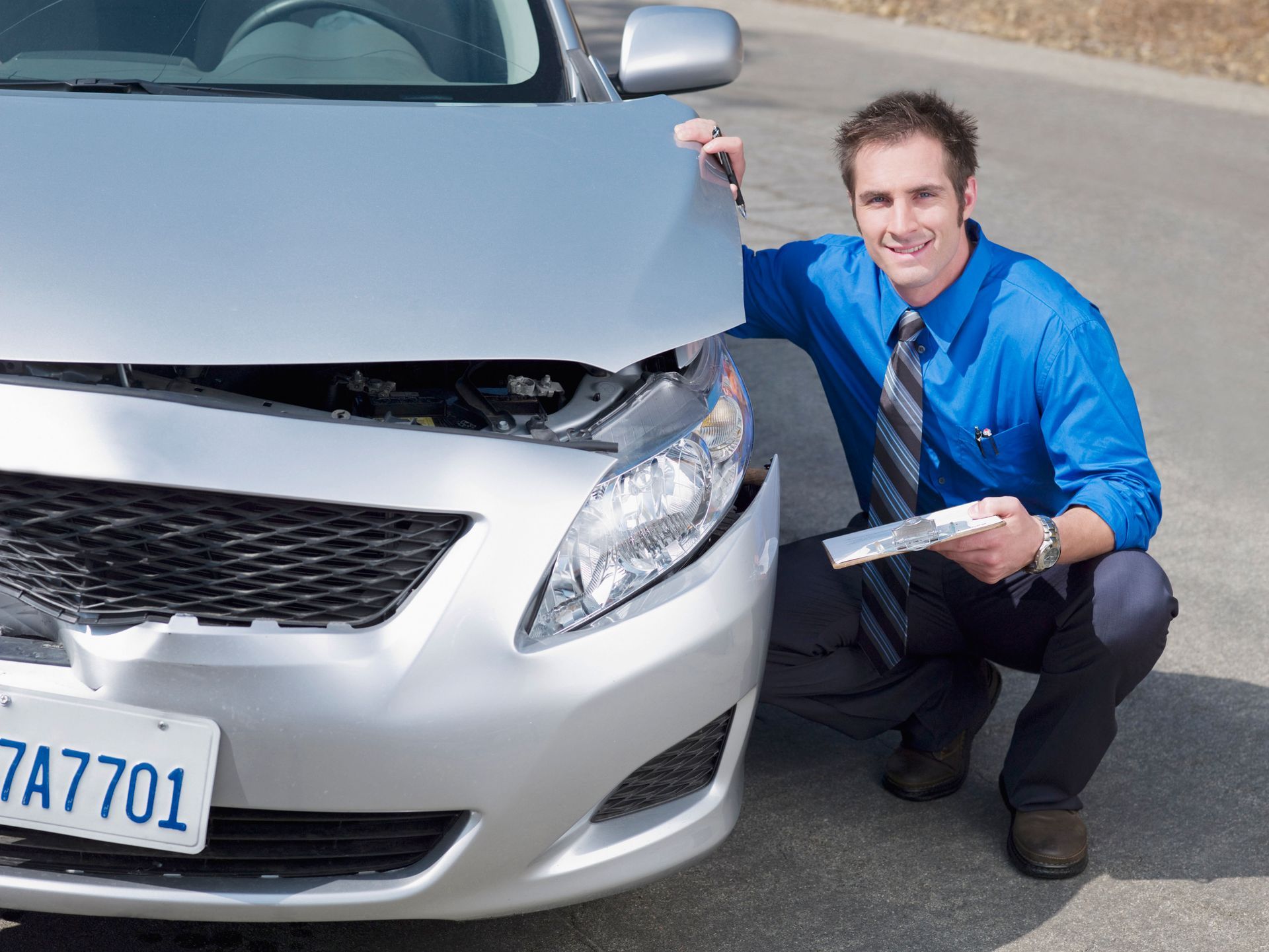
Rear-end collisions are among the most frequent incidents drivers encounter. They typically occur when one vehicle strikes the back of another due to tailgating, sudden stops, or distractions. These accidents are especially common in heavy traffic, where reaction time is limited. For drivers who prioritize safety, understanding rear-end collisions helps in both prevention and insurance planning. Working with a knowledgeable automobile insurance provider ensures that policyholders receive guidance on coverage options specifically for these frequent events. Safety features such as automatic braking systems can reduce the likelihood of these collisions, contributing to long-term cost savings on claims and premiums.
Understanding the common types of automobile insurance claims equips drivers with the knowledge to make better decisions about coverage and risk management. By recognizing patterns in accidents, vehicle damage, and weather-related incidents, policyholders can implement preventive measures that reduce the likelihood of filing claims. This proactive approach not only safeguards their vehicles but also contributes to lower premiums over time. Being informed about coverage options, claim processes, and potential risks ensures that drivers are prepared for unexpected events, making the insurance experience more efficient, reliable, and aligned with their personal needs and safety priorities.
In addition to understanding the most frequent types of claims, drivers benefit from examining patterns that influence automobile insurance premiums and coverage decisions. Recognizing the factors that lead to higher claims allows policyholders to adopt preventive strategies, such as safe driving practices, vehicle maintenance routines, and risk mitigation techniques. Awareness of these trends not only helps individuals avoid financial losses but also promotes responsible behavior on the road, enhancing overall safety. Furthermore, learning how insurers categorize and assess claims provides insight into the importance of selecting comprehensive coverage that addresses potential accidents, weather-related damages, theft, and vandalism. Policyholders who take a proactive approach to risk management often experience smoother claims processes, more accurate premium assessments, and better alignment between coverage and personal driving habits. By combining education, strategic planning, and professional guidance, drivers can fully leverage their automobile insurance policies to protect both their vehicles and their financial well-being. This understanding forms the foundation for informed decision-making regarding policy selection and ongoing vehicle protection.
Avoiding Rate Changes
Insurance providers consider rear-end collisions when assessing driver risk profiles. Being involved in such incidents may lead to increased premiums, particularly for drivers deemed at higher risk. Choosing an automobile insurance policy that accounts for collision coverage allows drivers to mitigate financial exposure from potential accidents. Companies offering comprehensive guidance and responsive claims support ensure that customers understand the implications for future rates. Policyholders benefit from working with professionals who can provide tailored advice to maintain balanced coverage while minimizing unexpected financial burdens after an accident.
Preventing Single Vehicle Accidents
Single vehicle accidents, such as sliding off the road or striking stationary objects, contribute significantly to automobile insurance claims. Factors like poor weather, road conditions, or driver fatigue often play a role. Regular maintenance, attentive driving, and avoiding distractions reduce risk. According to Forbes, nearly one-third of auto insurance claims are related to broken windshields or auto glass damage, highlighting the frequency and financial impact of such events (https://www.forbes.com). Working with a dedicated automobile insurance provider helps ensure these incidents are covered effectively, giving drivers confidence and peace of mind.
Protecting Against Parked Car Damage
Parked car damage occurs when a stationary vehicle is struck by another car or external object. This type of incident is often covered under comprehensive automobile insurance policies. Choosing a provider that offers clear guidance on documentation, claims submission, and optional coverage extensions ensures smooth processing. Drivers can further protect their vehicles by parking in well-lit areas, using protective gear like car covers, and implementing security measures. These preventive actions, combined with reliable insurance, enhance overall vehicle protection and financial security in the event of an unexpected incident.
Managing Whiplash Effectively
Accident-related injuries, such as whiplash, fractures, and soft tissue damage, require appropriate insurance coverage to address medical costs. Personal injury protection (PIP) or medical payments coverage can provide essential financial support. Selecting an automobile insurance provider that offers guidance on injury claims ensures that policyholders understand coverage limits and the claims process. Preventive measures, including proper seating, headrest adjustments, and defensive driving, further minimize risk. Understanding injury claims and coverage options empowers drivers to respond confidently after an accident while maintaining their long-term health and safety.
Preventing Theft and Vandalism
Theft and vandalism claims involve stolen vehicles, break-ins, and property damage. Comprehensive automobile insurance policies cover these incidents, helping drivers repair or replace their vehicles. Insurance providers offering detailed advice on filing claims and preventive measures, such as alarms and tracking devices, help minimize both risk and potential costs. By understanding coverage options and employing deterrent strategies, policyholders can protect their vehicles and avoid unnecessary financial stress. Working with a reliable insurance provider ensures that coverage meets the unique needs of each driver, offering reassurance and professional support in case of criminal incidents.
Understanding Weather-Related Claims
Weather-related incidents, including hailstorms, flooding, and high winds, cause substantial vehicle damage. Comprehensive automobile insurance policies cover such natural events, providing financial relief. Drivers benefit from guidance on emergency preparedness, such as safe parking and securing vehicles before storms. Understanding deductible requirements, coverage limits, and filing procedures ensures effective claims management. Partnering with an automobile insurance provider that emphasizes preparedness and timely claims submission supports policyholders in minimizing losses and maintaining confidence in their coverage during severe weather events.
Filing Claims and Documentation Best Practices
Efficient claims submission is crucial to maximizing coverage benefits. Gathering detailed evidence, including photographs, police reports, and witness statements, strengthens claims for collisions, vandalism, or weather damage. Understanding policy limits, deductibles, and the insurer's reporting requirements streamlines the process. Automobile insurance providers offering clear guidance on documentation and timelines help policyholders avoid delays or disputes. By following these best practices, drivers ensure prompt and fair claims resolution while maintaining a positive relationship with their insurer.
Maintaining Your Financial Well-being
Automobile insurance provides a safety net against unexpected expenses resulting from accidents, theft, or weather damage. Comprehensive coverage mitigates financial loss while allowing drivers to access professional repair services and medical care. Selecting a provider with responsive claims support and knowledgeable representatives ensures policyholders receive clear instructions and timely assistance. Beyond financial protection, quality insurance promotes peace of mind, allowing drivers to focus on safe driving habits and vehicle maintenance. Working with experienced professionals ensures coverage aligns with individual risk levels and driving patterns.
Maximizing Benefits from Your Automobile Insurance Policy
Policyholders can optimize their coverage by understanding optional add-ons such as collision, comprehensive, and personal injury protection. Regularly reviewing the policy ensures alignment with evolving needs and vehicle value. Automobile insurance providers that offer consultation and updates assist clients in maintaining appropriate coverage. By being proactive in policy management and preventive measures, drivers can reduce the likelihood of claims and ensure seamless support when incidents occur. Choosing a knowledgeable provider like Insurance World helps maximize the effectiveness of your automobile insurance and overall vehicle protection.
Understanding the most common claims and having a comprehensive automobile insurance policy ensures drivers are well-prepared for unexpected incidents. Rear-end collisions, single vehicle accidents, parked car damage, injury claims, theft, vandalism, and weather-related events each present unique challenges. A proactive approach to prevention, combined with professional guidance and thorough coverage, enhances both safety and financial security. Partnering with Insurance World guarantees expert support, clear guidance, and reliable coverage for all your automobile insurance needs.



Share On: